





What Happens to Collagen After 30? Understanding the Ageing Process
Turning 30 does not suddenly change your skin, but the natural ageing process gradually begins to affect collagen, one of the main proteins responsible for skin strength, structure and firmness. As collagen production slows, fine lines may become more noticeable, skin texture can change and areas such as the cheeks or jawline may begin to lose firmness.
At The Aesthetics Doctor, with clinics in London, Manchester and Leeds, we often see patients in their thirties who have noticed subtle changes in their skin but do not necessarily want to change their appearance. Understanding what is happening beneath the surface helps us identify whether treatment is needed and which approach may be appropriate.
What Does Collagen Actually Do for Your Skin?
Collagen forms a supportive framework within the dermis, the deeper layer of the skin. Specialised cells called fibroblasts produce collagen and elastin, helping the skin maintain its firmness, strength and elasticity.
As we age, collagen production becomes less efficient and existing fibres gradually weaken and become less organised. Sun exposure can accelerate this process, meaning both the amount and quality of collagen change over time. Our guide to what ageing really means for facial rejuvenation explains how these changes affect the face.
Does Collagen Really Decrease After 30?
Yes, although collagen loss happens gradually and varies between individuals. Genetics, sun exposure, smoking and lifestyle can all influence the rate of decline, while hormonal changes around menopause can accelerate collagen loss further.
This explains why two people of the same age may have noticeably different skin quality and why treatment should be based on the condition of the skin rather than age alone.
What Does Collagen Loss Look Like on Your Face?
Early changes may include:
-
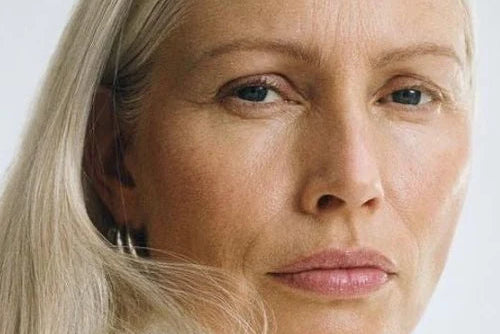
fine lines that remain visible when your face is relaxed
-
thinner or less firm skin
-
enlarged-looking pores or uneven texture
-
reduced elasticity
-
crepey skin around delicate areas
However, not every sign of facial ageing is caused by collagen loss. Changes in facial fat, bone structure and muscle movement can also affect appearance. For example, hollow cheeks may be caused by volume loss rather than declining collagen alone, making an accurate assessment important.
Can You Rebuild Collagen Once You Start Losing It?
Yes. The skin can continue producing collagen as we age, and certain aesthetic treatments can stimulate this process by encouraging fibroblast activity and the skin's natural repair response.
However, treatments work at different depths and address different concerns. Mild textural changes may respond to relatively gentle collagen stimulation, while more established laxity or reduced facial support may require a different approach. The aim is to improve the changes present rather than simply stimulate as much collagen as possible.
Which Treatments Can Stimulate Collagen After 30?
There is no single best collagen treatment. The appropriate option depends on what has changed within the skin and how noticeable those changes have become.
Microneedling
Microneedling creates tiny, controlled injuries within the skin. This activates the skin's natural healing response, which includes producing new collagen and repairing tissue.
It can be useful when the main concerns are early changes in texture, fine lines, enlarged-looking pores or acne scarring rather than significant loose skin. For milder changes, microneedling may provide enough stimulation without immediately moving to a more intensive treatment.
Matrix RF Microneedling
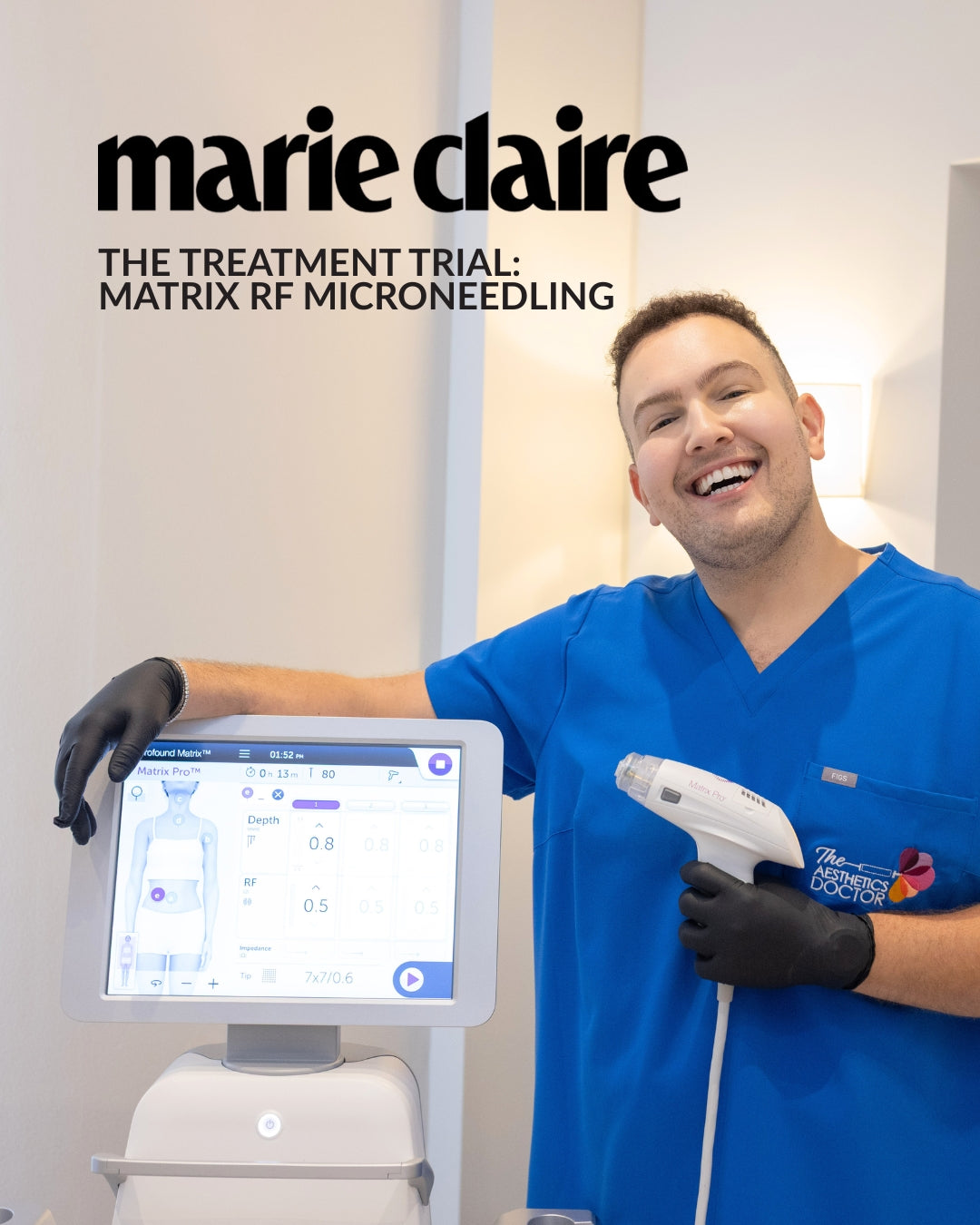
Matrix RF Microneedling combines microneedling with radiofrequency energy. The needles enter the skin while radiofrequency energy creates controlled heat within the tissue, encouraging collagen remodelling.
This can be useful where changes in texture are accompanied by reduced firmness or more established signs of ageing. However, more energy does not automatically mean a better result, and treatment depth and settings should always be adjusted to the skin, treatment area and concern being addressed.
Harmony BioBoost
Harmony BioBoost, using the Alma Harmony platform, provides another way to stimulate collagen. The treatment uses laser technology to encourage the skin's natural repair response, supporting new collagen and elastin while improving concerns such as skin tone, texture and elasticity.
It may be useful when the aim is to improve overall skin quality rather than add facial volume.
XERF Skin Tightening
XERF Skin Tightening is a non-invasive treatment that uses radiofrequency energy to heat the deeper layers of the skin, encouraging collagen remodelling and helping to improve firmness. Unlike RF microneedling, XERF does not use needles, instead delivering controlled heat at different depths within the tissue.
It may be particularly useful for patients noticing early to moderate skin laxity, softening around the jawline or reduced firmness across the face and neck. With minimal downtime for most patients, XERF offers an option for those who want to improve skin tightness without injections or surgery.
Collagen-Stimulating Injectables
Injectable collagen treatments work differently from laser or microneedling. Rather than using controlled heat or tiny injuries, they encourage the body to produce new collagen gradually.
Sculptra is a poly-L-lactic acid (PLLA) injectable that stimulates the body's natural collagen production. It may be particularly useful when facial ageing involves reduced firmness, hollowing or loss of structural support. Unlike conventional dermal fillers that provide immediate volume, Sculptra's improvements develop progressively over several months as new collagen forms.
Julaine is another PLLA-based collagen stimulator that encourages fibroblasts to produce new collagen. It can help improve skin firmness, elasticity and texture, making it relevant for patients noticing fine lines, skin laxity or changes in facial support.
Ellansé is also available at the clinic and stimulates collagen while providing more immediate structural support. Although these treatments share the aim of improving collagen, they are not interchangeable, and the most appropriate choice depends on facial anatomy, skin condition and whether the priority is improving skin quality, firmness or lost support.
What About Polynucleotides and Skin Boosters?
Not everyone concerned about collagen loss needs intensive treatment. Sometimes the main change is that the skin has become:
-
thinner
-
drier
-
more crepey
-
less elastic
Polynucleotides support skin repair and can improve texture, elasticity and hydration while supporting collagen and elastin production. They can be particularly useful for delicate areas where adding volume would not address the main concern.
Skin boosters also focus on hydration and overall skin quality while supporting collagen and elastin. At The Aesthetics Doctor, we separate these concerns because improving thin or dehydrated skin is different from tightening loose skin or restoring deeper facial support.

How Do You Know Which Collagen Treatment Your Skin Needs?
The right treatment depends on why your skin has changed, rather than simply your age or which treatment stimulates the most collagen. An assessment should consider skin texture, firmness, hydration, pigmentation and scarring, as well as the underlying structure of the face.
Collagen-stimulating treatments can also be combined when different concerns are present. For example:
-
Microneedling or Matrix RF Microneedling may be used to improve texture and stimulate collagen remodelling.
-
XERF may be considered when the main concern is reduced skin firmness or early to moderate laxity.
-
Sculptra or Julaine may be suitable when collagen loss is accompanied by reduced facial support or more established changes in skin quality.
-
Polynucleotides or skin boosters may complement treatment where hydration, elasticity or delicate skin are also concerns.
This does not mean performing everything at once. At The Aesthetics Doctor, we would usually identify the main concern first, allow time for the skin to respond and then decide whether another treatment would add a meaningful benefit. This staged approach is particularly useful because collagen production and remodelling continue for weeks and months after treatment.
Frequently Asked Questions About Collagen After 30
Can skincare increase collagen production?
Certain evidence-based skincare ingredients can support collagen production and help protect the collagen already within the skin. However, topical skincare cannot create the same deeper tissue response as treatments that work below the skin's surface. Daily sun protection is particularly important because UV exposure contributes to collagen breakdown.
Does collagen decline faster during menopause?
Yes. Falling oestrogen levels around menopause can speed up changes in skin collagen, contributing to thinner, drier and less elastic skin. This is one reason some people notice their skin changing more quickly during this stage of life.
Can collagen treatments make your face look fuller?
It depends on the treatment. Some collagen-stimulating injectables, particularly Sculptra, can gradually improve facial support and volume, while treatments such as microneedling and XERF primarily target skin quality and firmness.
How long does new collagen take to form?
Collagen production takes time. Improvements from collagen-stimulating treatments can continue developing over the following weeks and months, so results are better assessed over time rather than immediately after treatment.
Can collagen treatments be used on the neck?
Yes, depending on the treatment and the condition of the skin. The neck differs from the face, so treatment choice, depth and settings should be selected specifically for this area.
For more information on this area specifically, read our guide to lifting and tightening the neck without surgery.
Supporting Your Skin as Collagen Changes
Collagen decline is a normal part of ageing. It does not need to be treated simply because you have reached a particular age, and what matters is how those changes are affecting your skin.
For one person, this may mean mild changes in texture that require a conservative approach. For another, more established laxity, sun damage or reduced facial support may need treatment at a different level.
If you have noticed changes in firmness, texture or skin quality, book a consultation at The Aesthetics Doctor in London, Manchester and Leeds to find out what is causing them and whether collagen-stimulating treatment is appropriate for you.
We'd love to hear from you
If you have any questions, please fill in this contact form, and our team will get back to you as soon as possible.
Phone: 020 7305 7777